

Well, it’s that time of the year again for me to post my thoughts on every single game I’ve played over the last year! A little bit early this year because I don’t have any more time left to play new games before the years end.
I did miss playing a few notable games this year, because I have been extremely busy working on finishing Mewgenics. So when you see Expedition 33 missing from this list, know that its on my backlog to play next year when I have a lot of time again.
A reminder of my rating scale, with scores from 1 to 4 stars:
★★★★ (“Great”) - A great game that stands out among its peers by being exceptionally memorable or just doing what it does exceptionally well.
★★★ (“Good”) - An enjoyable game that accomplishes what it sets out to do. This is sort of the “default” place games end up, unless they do something special to distinguish themselves, either positively or negatively.
★★ (“Mid”) - A game that doesn’t quite live up to the standards it sets for itself, or where the negatives can’t really be ignored, but the games here usually still have something to offer that make them worth playing.
★ (“Bad”) - A game that is just bad, that leaves me feeling bad after I’m done playing it. I’m not a professional reviewer so I don’t *have* to play games I don’t want to play, so its very rare for me to play a game that I actually think is bad, or to not just immediately stop playing a game once I realize it’s bad. It happens sometimes though.
Anyway here we go!
Nubby’s Number Factory
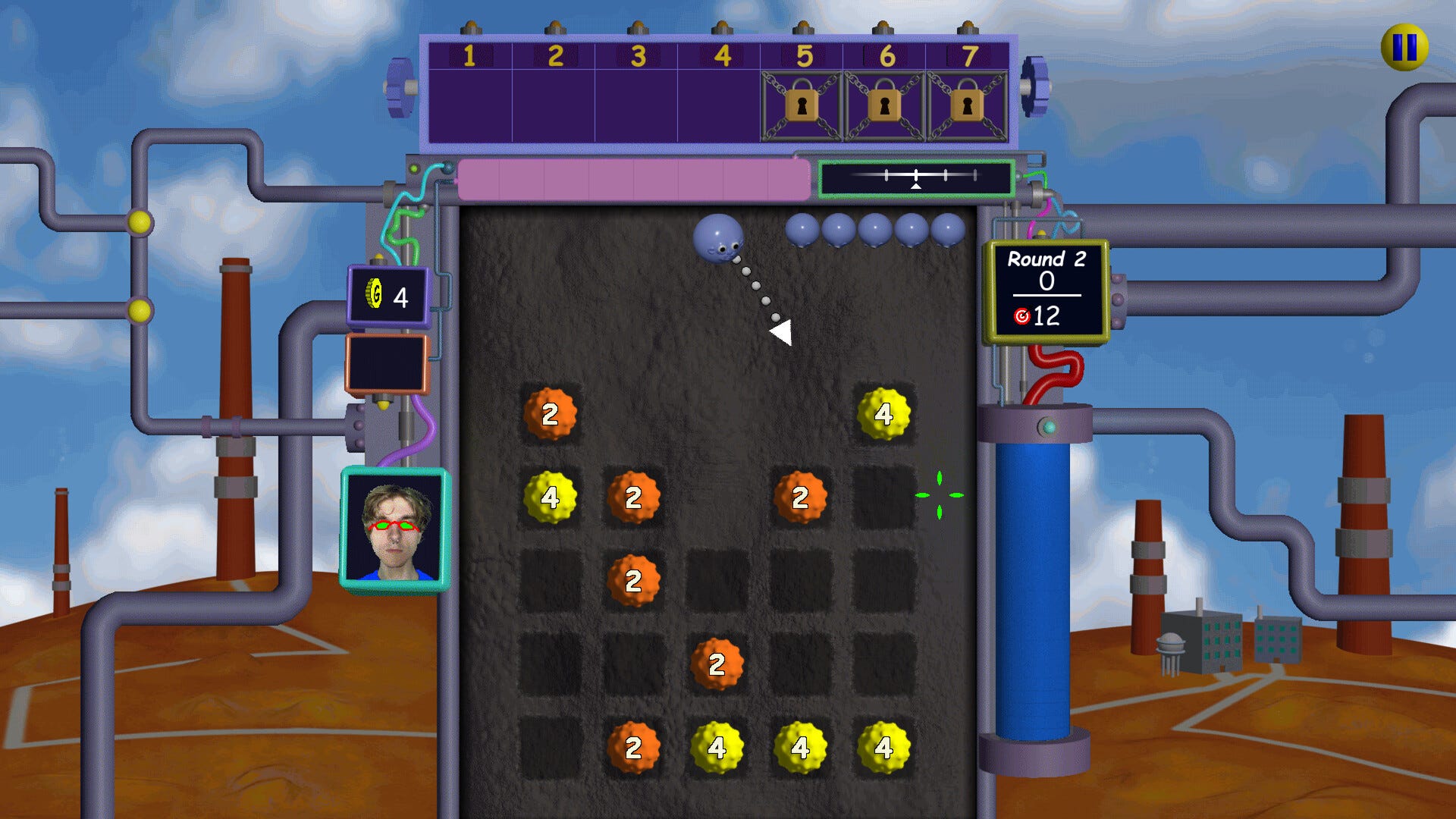
This game is addicting, the same way any “watch the number goes up” games are. The 90s shareware vibes are fun. Is it good though? Well, not particularly. The game’s framework sort of promises the same sort of depth and replayability as something like Balatro does, but it doesn’t have nearly as many items, the proportion of those items that are “useless” is pretty high, and the number of “viable builds” is pretty low, so the game loses almost all of its variety once you learn what you need to actually do to win a run. The first update fixed some of this, but the game still feels like it promises more variety than there actually is. Additionally you can “win” a run pretty early on (it doesn’t take that many items to get an “effectively infinite” scoring build) at which point clicking through to round 80 to *actually* win becomes a bit of a chore. ★★
R.E.P.O.
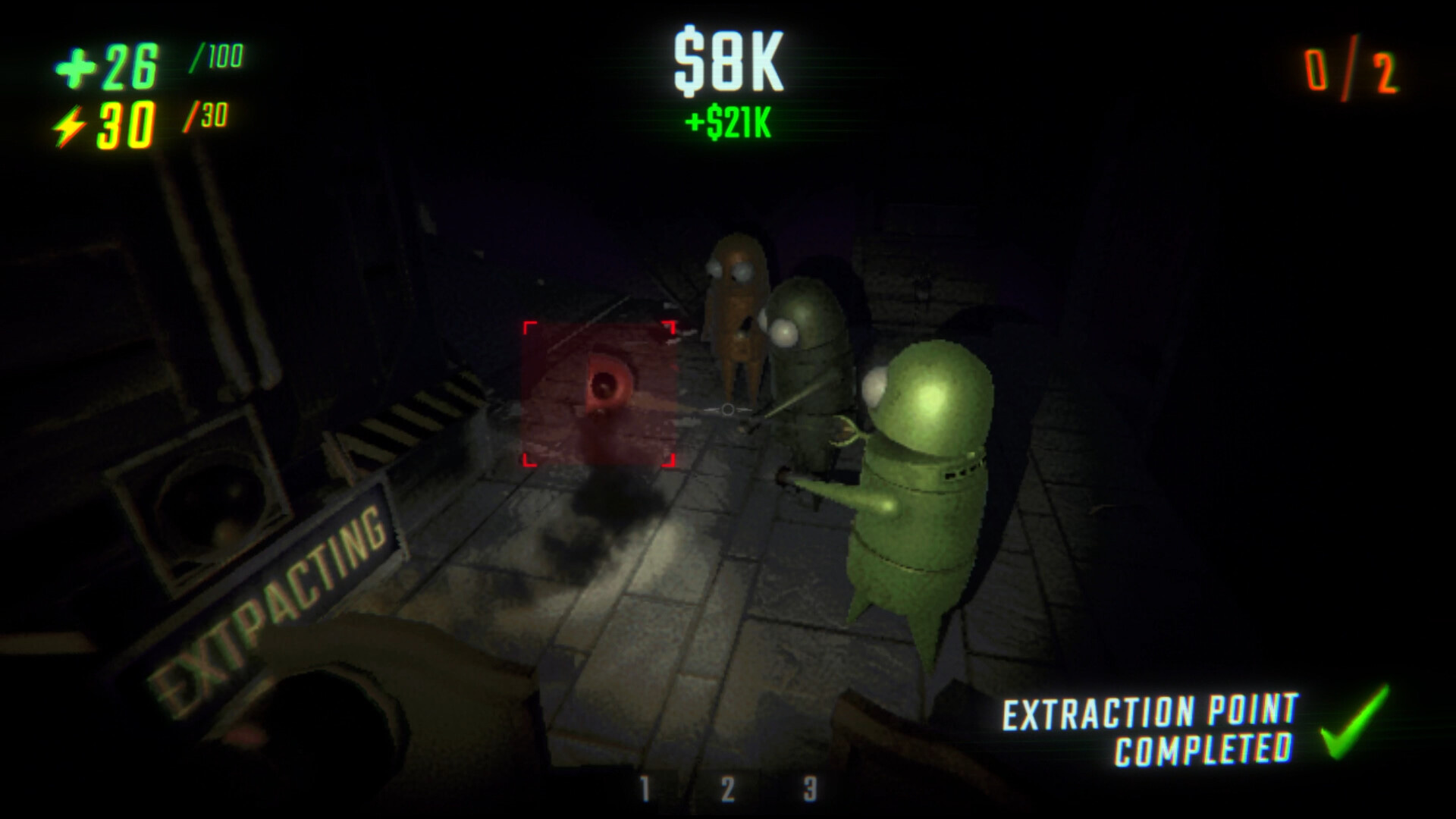
My friends were playing it and I joined in a few times. I get the term “friendslop” now. ★★
Blue Prince
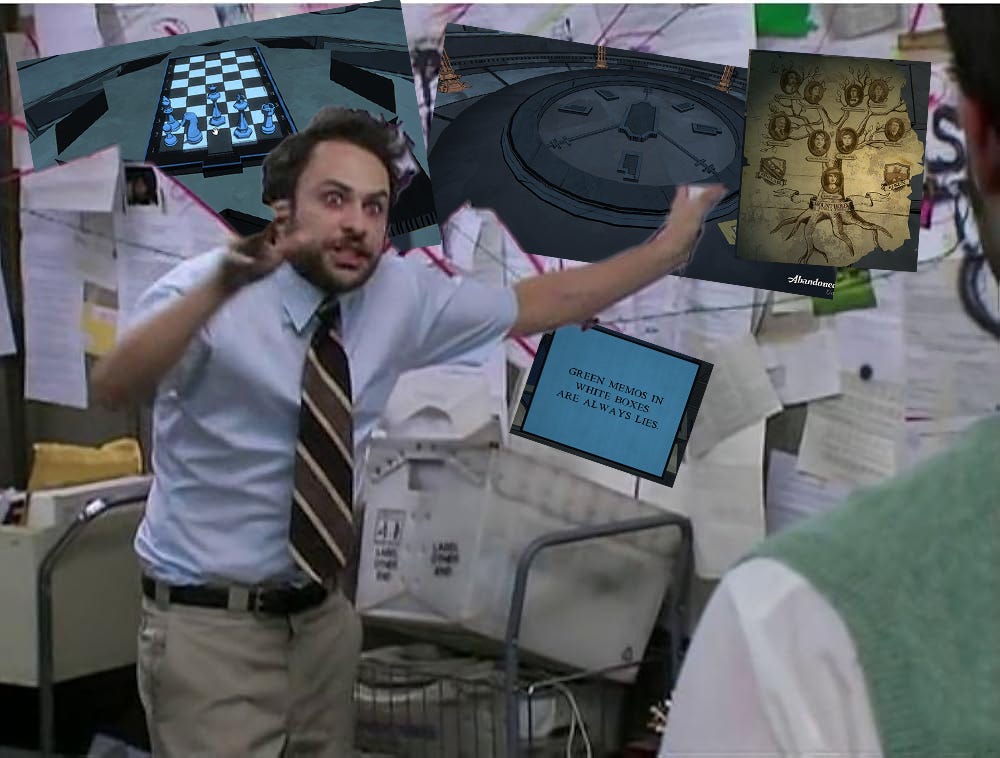
Blue prince is a fascinating game, it mashes 2 genres together that would normally be at odds with each other, and *kinda* makes it work. If you just accept the game for what it is and take the ride it wants you to take, the first 20-30 hours are truly enjoyable, wholly original, and a fascinating experience. The rougelite aspect of it sort of forces you to never hyperfocus on one puzzle thread, and constantly distracts you with new puzzles as you run into things you’ve never seen before. The thread you’re following might deadend on this day, but its ok because you can just shift your goals and look at this other place instead. It manages to hold this pretty well up until you reach room 46 for the first time.
But that’s the thing, room 46 is very clearly not the end of the game. Your reward for reaching it is more puzzles. A big impressive looking setpiece puzzle. And the game sort of starts falling apart the deeper you get into it. The game gets in its own way too much as you start exhausting puzzle threads, wasting your time with slow resets, transitions, walk speeds, waiting, and of course RNG. You continue to have to deal with the roguelike room-drafting portion of the game well past the point of it still being interesting, and while the game does slowly break as you adjust rarities and such, it never breaks *enough* to alleviate all of the friction.
The late game puzzles tend to keep getting more and more vague. I’m not against this style of puzzle, I really do enjoy the La-Mulana games for instance, but these sort of “Guess what this riddle means” and “Guess what the developer wants you to do” style puzzles basically don’t work if you don’t have easy access to try and experiment with what you think they mean. And so many of these require you to line up a lot of different RNG events together, specific items, room combinations, specific things in the outer room, it makes it really hard to just *test theories*. There’s a time investment in testing a theory, and most of the time you’re gonna be wrong, and the nature of the puzzles often means you don’t know if you’re wrong because you misinterpreted info you already have, or if you are actually missing some other piece of info. I don’t think this was the right style of puzzle for this framework. More “connect the boiler to the furnace for a thing!” style puzzles and less “ok so Tor is Rot backwards so it means rotate counter clockwise, obviously” ones.
The first act of the game is still fantastic and wholly original, and absolutely worth playing. Its a flawed game but deeply interesting. ★★★
Pony Island
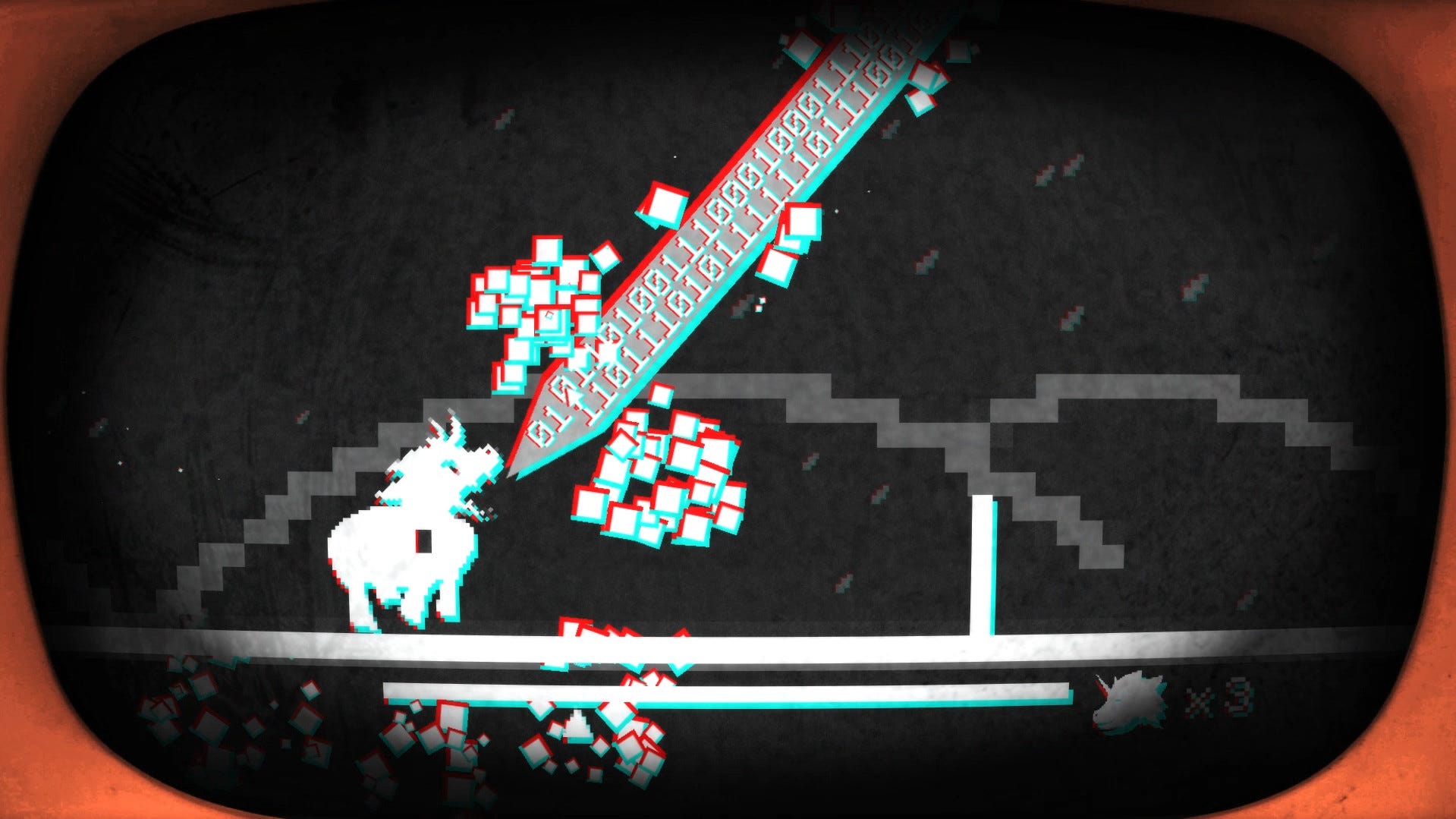
After Pony Island 2 was announced (which I am for sure gonna play considering how good Inscryption was), I bumped the original up my backlog a bit, and finally got around to playing it this year. It’s... fine. Its a lot of the same thematic ideas as Inscryption, just smaller and with less interesting gameplay, which I guess is pretty much what I expected. Its got some cute parts though, and I definitely got got by the asmodeus fight a few times. ★★
Starvaders
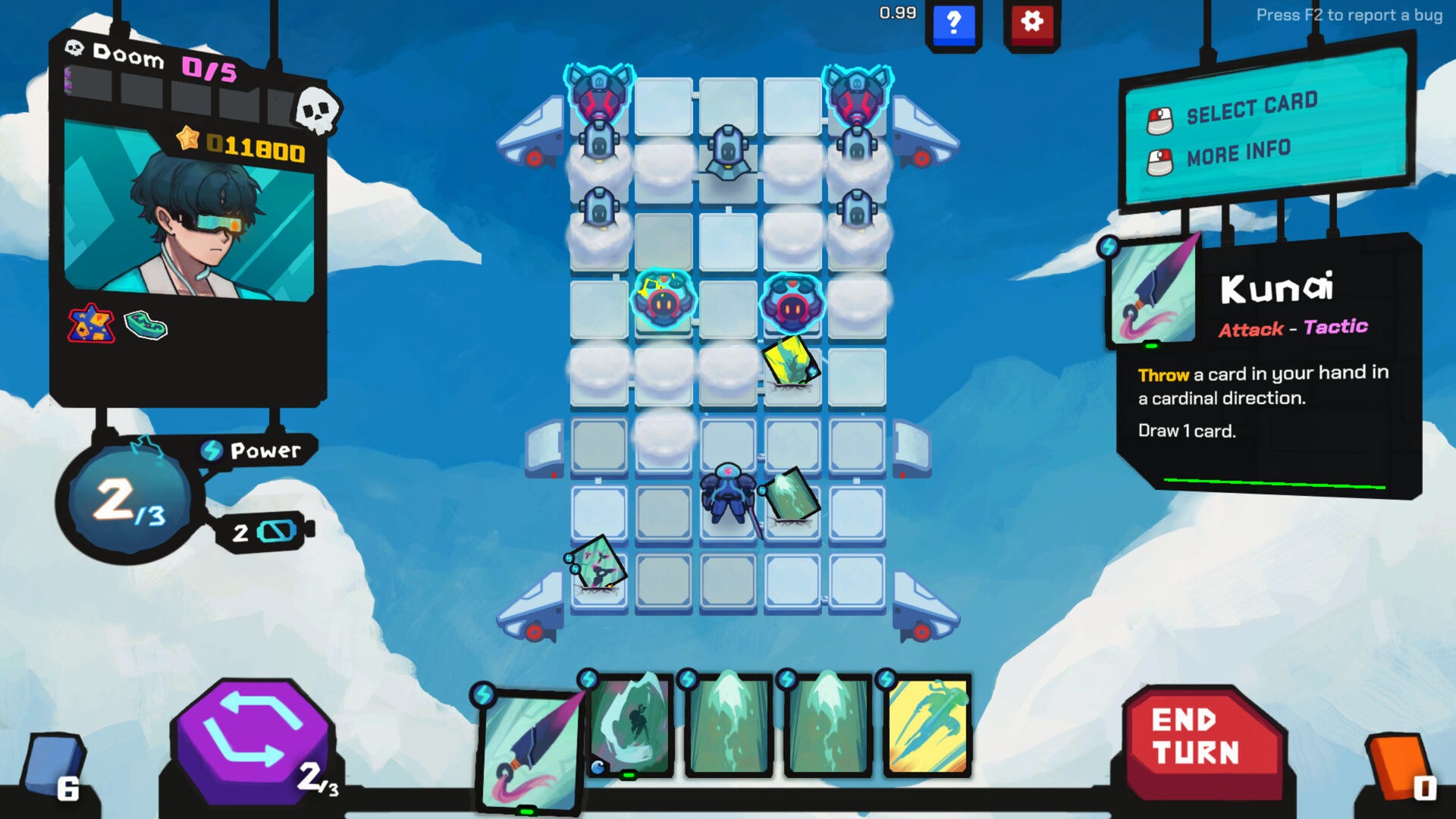
It’s a rougelike deckbuilder with units on a grid. Its well designed and pretty tight with its balance. The different classes and characters feel vastly different from each other, which is good, though the viable builds for any particular character tend to feel a bit similar. It’s a perfectly enjoyable, well-designed game, though after 17 hours or so I’ve unlocked everything, beat it with all characters on the hardest difficulty, and feel like I’ve seen everything the game has to offer. ★★★
Doom: The Dark Ages
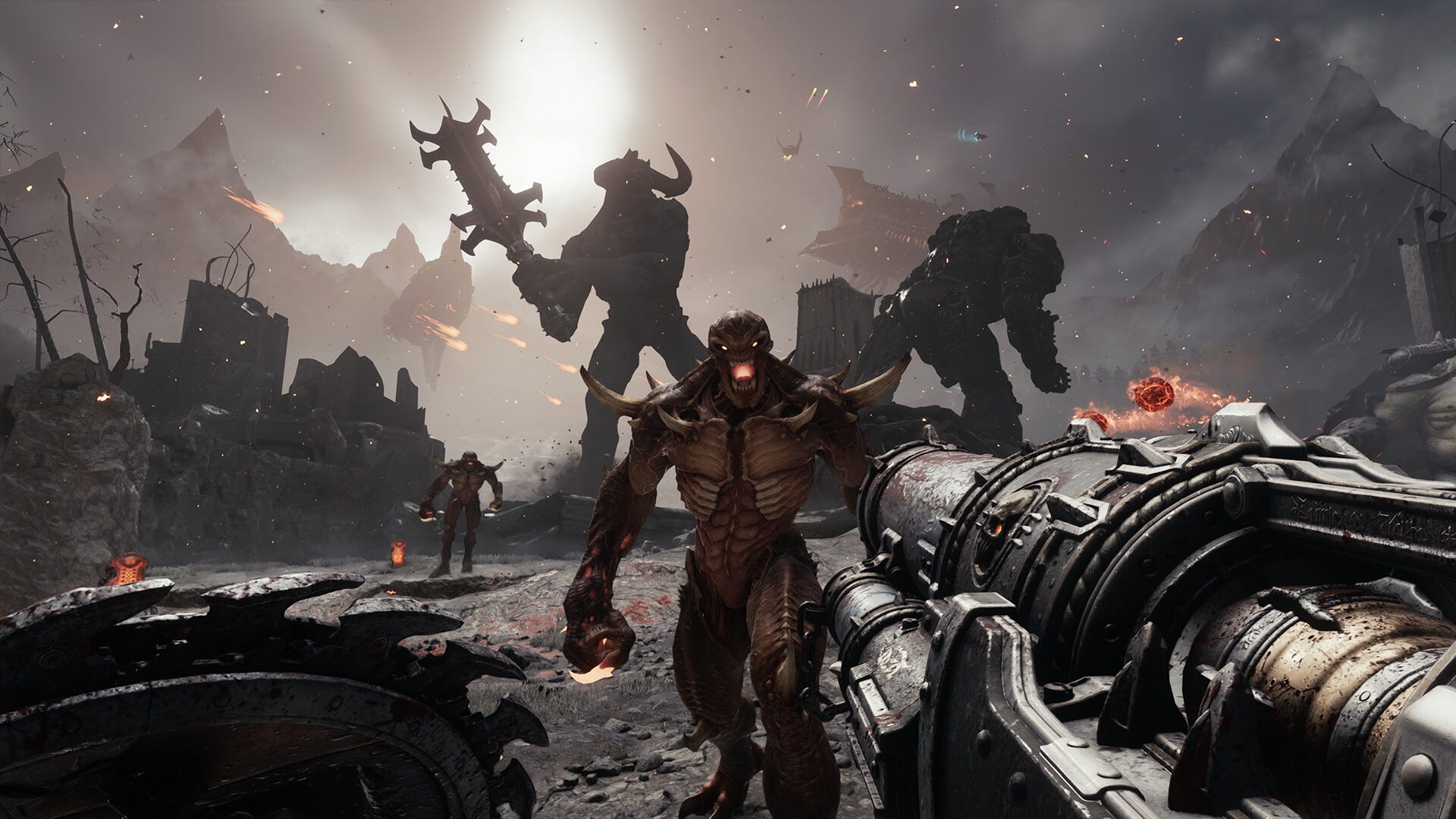
It’s fun. It’s kind of slop. It’s not very complex or deep, but neither was Doom 2016 which I thought was great. I didn’t like Doom Eternal’s heavy handed approach to making you switch weapons and shit, so I’m glad that Dark Doom stepped back from that and went a different direction again. The shield bashing and parrying is fun and was integrated pretty well into the combat, it works better than you’d assume. The plot is absolutely asinine, one of the best parts of Doom 2016 was how self aware it was over the dumb parts of its plot, with Doom Guy just crushing or punching anyone and anything who attempted to provide expository dialogue to him. That game was simple, and the vibes were good. I’m not sure WHY they abandoned that for the later 2 games in the series, but the result for Doom TDA is just a lingering feeling that “the vibes are off”. It punctuates the fun fast demon slaying parts with weird slow sections where you control a mech or ride a dragon, multiple times. The last boss is ripped straight out of a dark souls game, which I can’t say I didn’t find fun (you know, as a massive fan of Fromsoft’s output), but its a very odd choice for Doom. Its a rollercoaster with a bunch of random shit in it. Its enjoyable enough I guess. ★★★
Monster Train 2
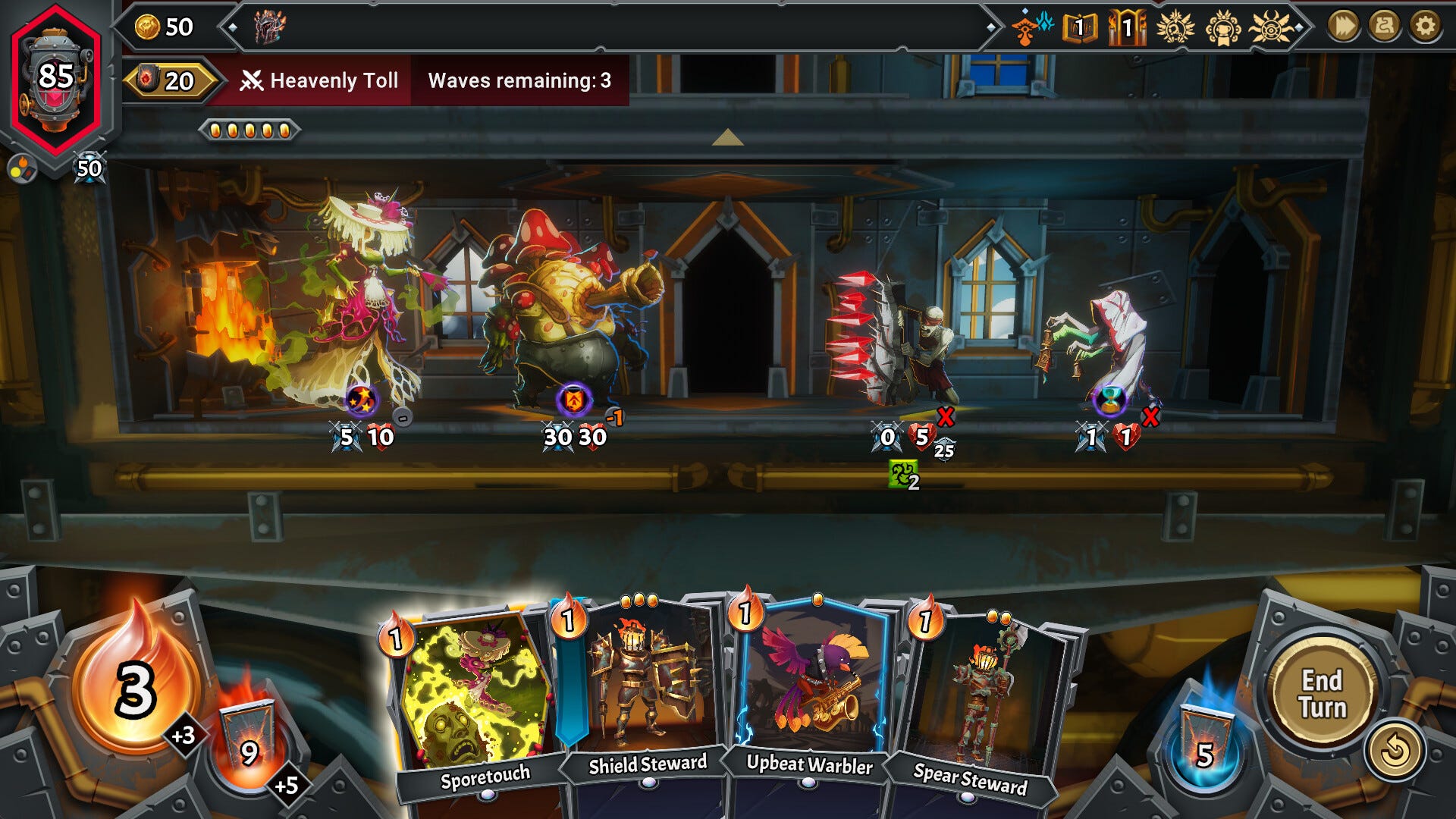
It’s monster train 1 (which was fun) but more. My one big complaint is that about half of the events are just direct references to other games. It kind of feels like it cheapens the whole game to see “Jimbo from Balatro” show up every other run. ★★★
Elden Ring: Nightreign
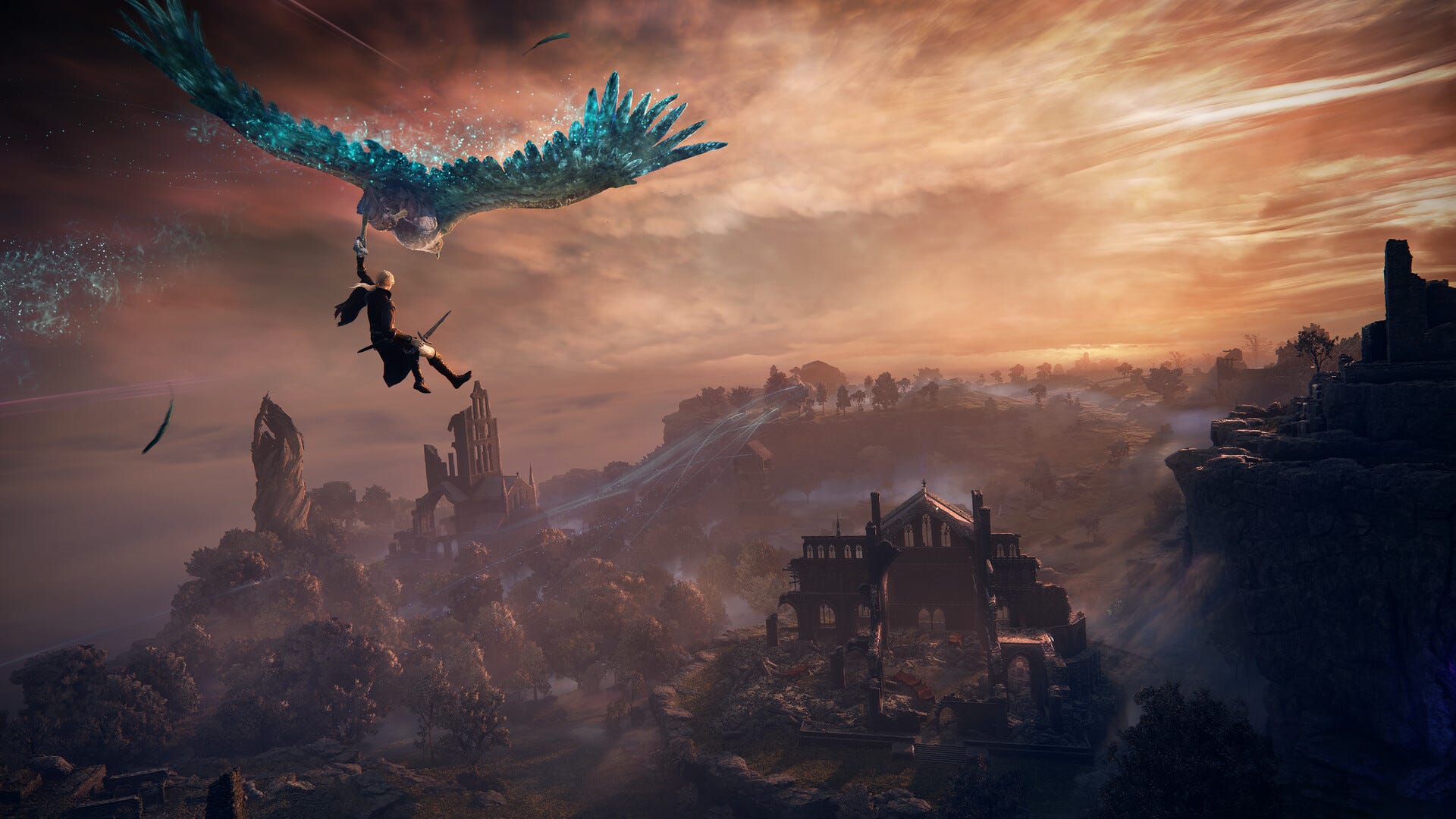
Elden Ring’s cash grab multiplayer spinoff. For what it is, this game is pretty fun if you’re playing with friends. It’s not *special* in the way Elden Ring was, but I don’t think anyone expected it to be that. It feels a lot like an “Official Mod” instead of its own thing. It’s a cobbled together remix of a bunch of things from elden ring in a co-op multiplayer shell with some very gamey mechanics like a shrinking circle and ability cooldowns. It’s a weirdly bold decision to make this as a standalone game, and its also hard to even call it a cash grab because the design of this is nothing like anything fromsoft has made before. It’s oddly experimental in a way. ★★★
DELTARUNE chapter 3&4
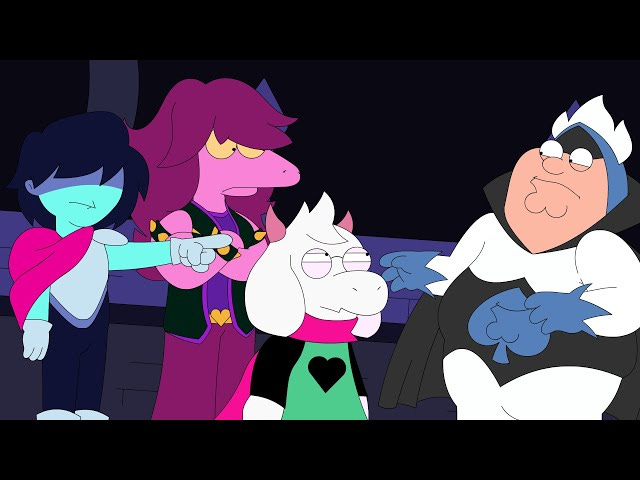
This is always a tough game to write a review for, because its NOT DONE YET. Undertale was fun because the game was so fully-realized, you could poke and prod at it in all sorts of ways and the game felt like it would always give way to something if you did. It would comment on the ways you played and broke the fourth wall in interesting ways and just felt like it had stuff to say and a point to everything. Deltarune (so far), is “bigger and better” than undertale in a lot of ways, and the combat system does start to shine a lot in the most recently released chapters. The fights are harder, the patterns to dodge are more intricate, there’s more and more interesting gimmicks, and like, its all quite good. But it’s not complete yet. The chapters so far don’t go as far as undertale did with its choices and fourth wall breaking, and without knowing where the whole thing its going, its hard to evaluate or interpret the things its presented so far. It feels like a mystery box TV show in a way, with aspects of its plot and characters clearly having things that are off about them, but missing resolutions currently. I will withhold a full rating until the game is done.
Mario Kart World
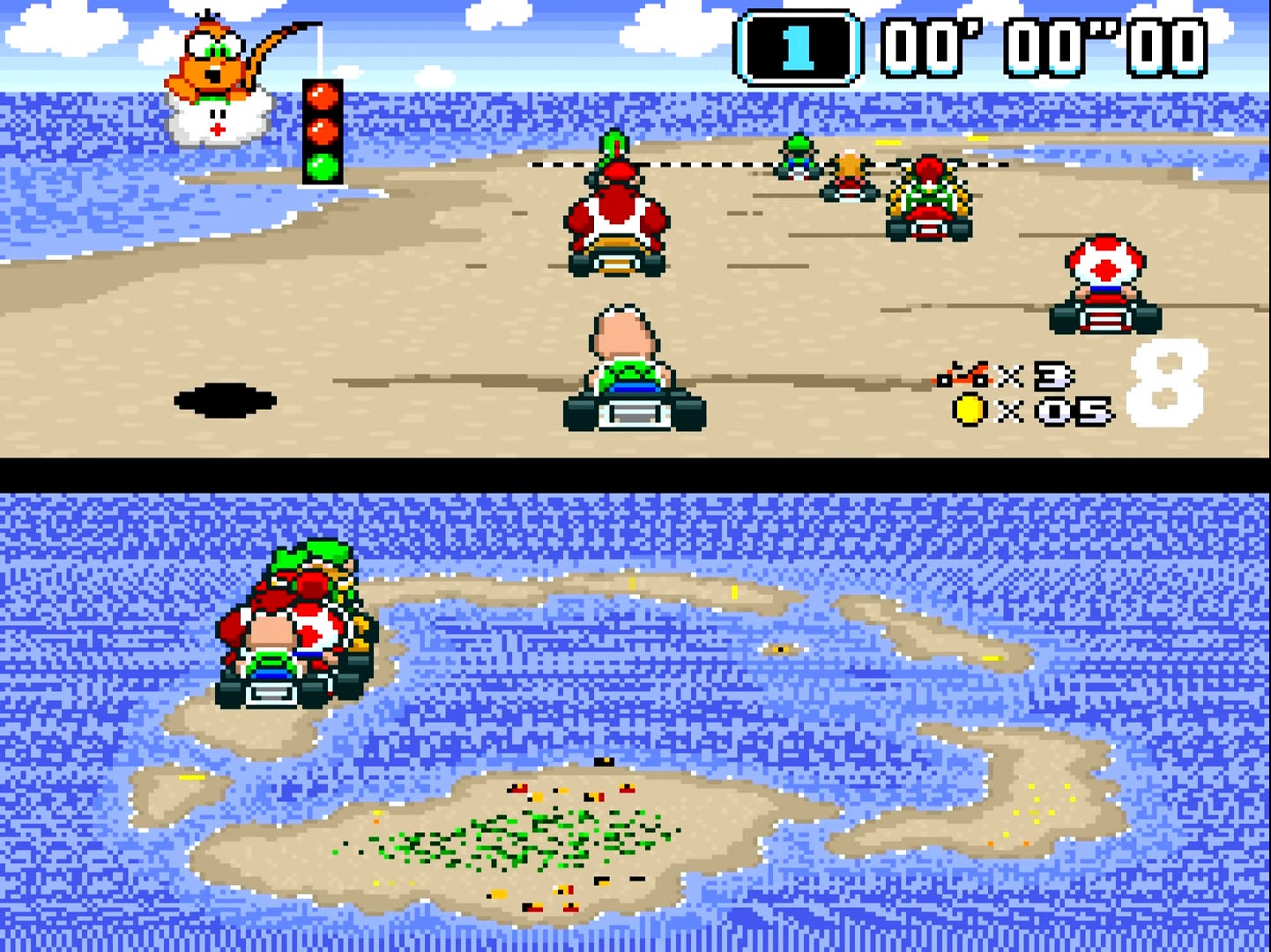
It’s about as good as Mario Kart’s ever been, the levels connecting into each other and sometimes foregoing the lap structure to do long linear tracks instead feels cool and adds a good amount of variety into the game. Open world exploration mode is a gimmick. I played it with family while on vacation, but don’t care enough to play it outside of that context. ★★★
Kaizen: A Factory Story
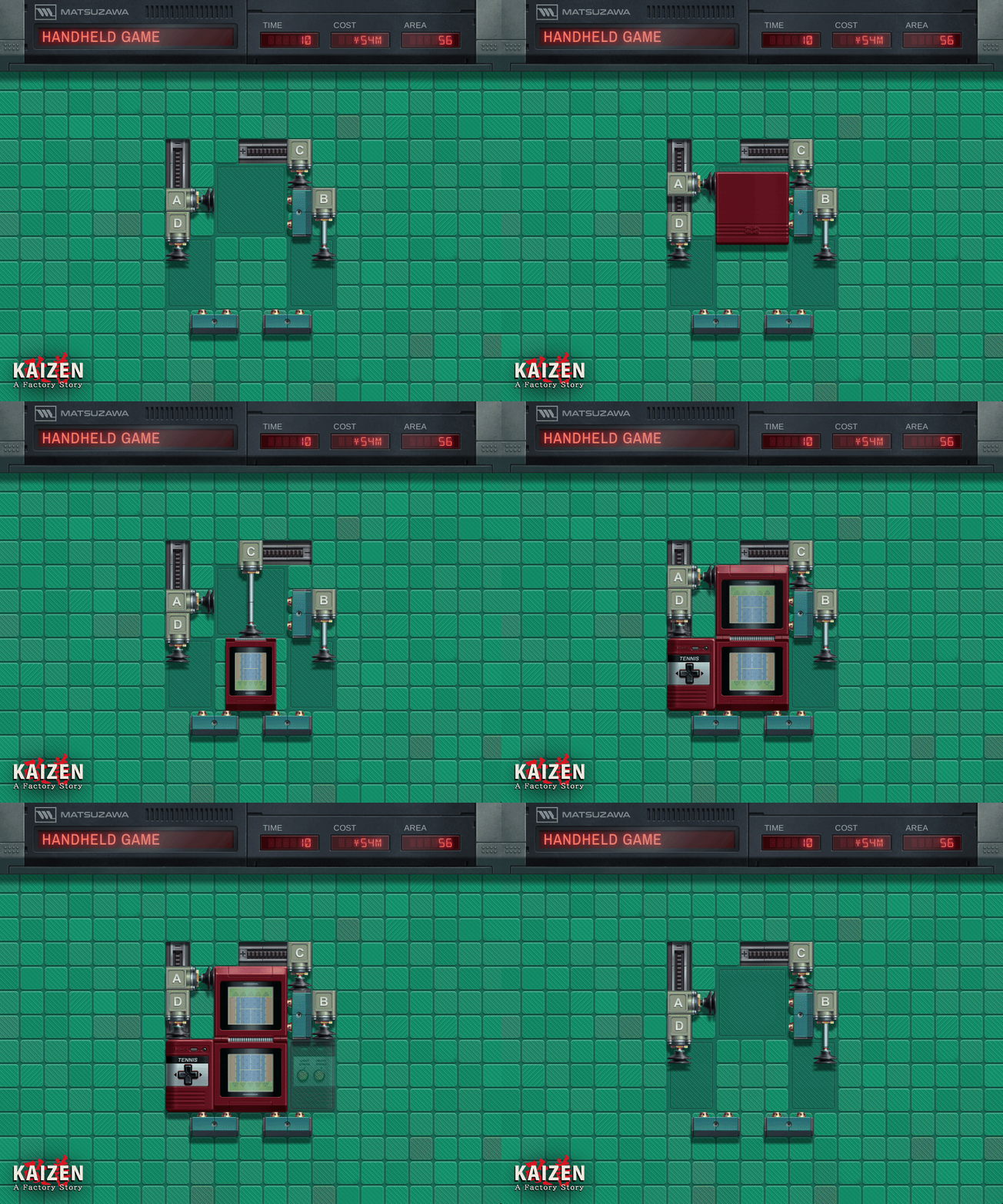
Look I love that zachtronics is back to making games (albeit under a different company name this time), but this is probably my least favorite of their games so far. It’s not unfun, but its quite limited and repetitive and feels more on par with a smaller game within Last Call BBS than a standalone game. A lot of effort was put into a story and voice acting that was not compelling in the slightest and was just clicked through to get to the puzzles faster. ★★
Donkey Kong: Bananza
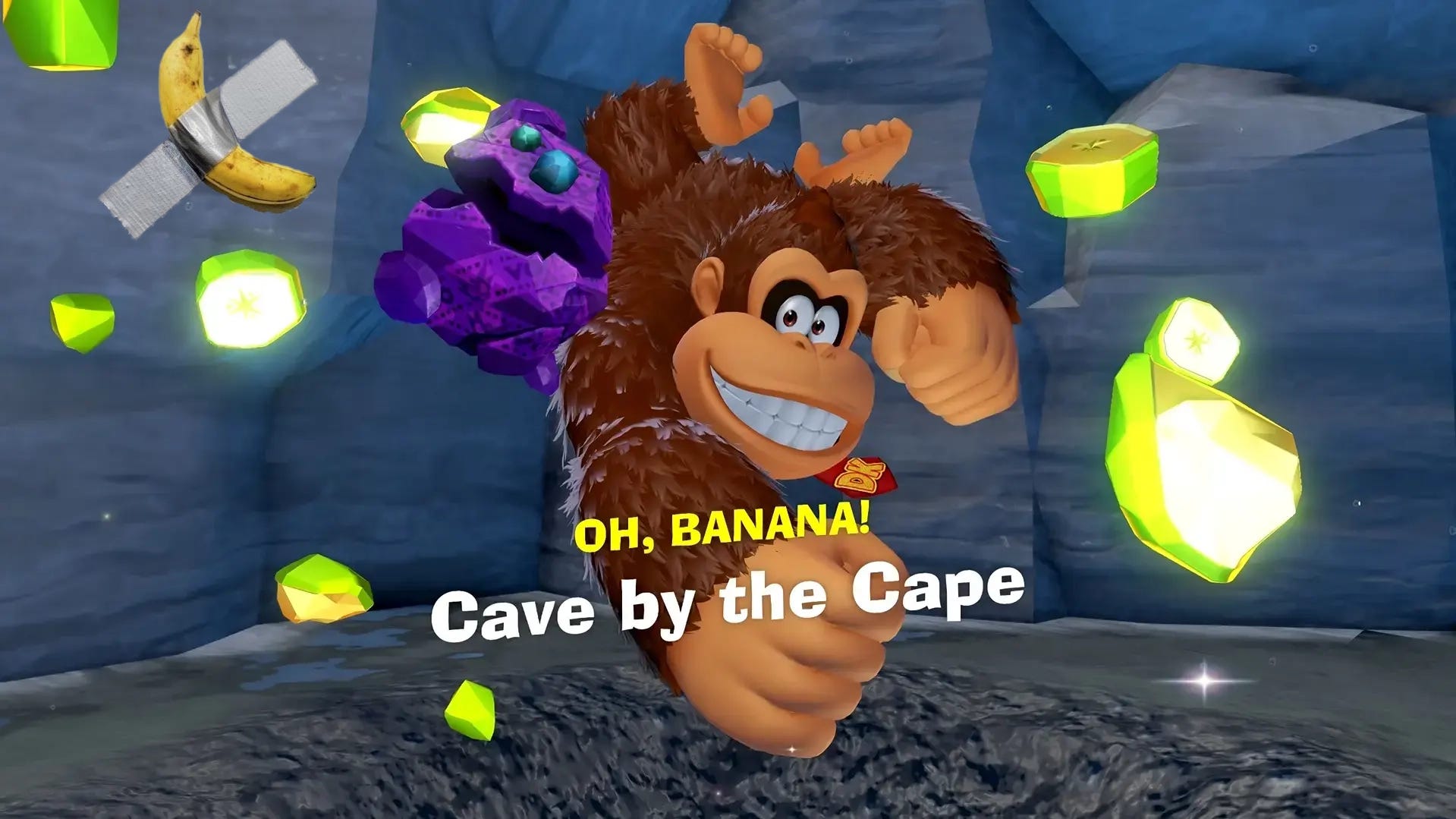
Nintendo did a new take on Donkey Kong and its extremely solid, fun, and polished. I like how they went all-in with their main mechanical gimmick (destructible voxel terrain). The levels are made out of destructible voxel terrain. The moving platforms are made out of destructible voxel terrain. The enemies are made out of destructible voxel terrain. EVEN THE NPCS are made out of destructible voxel terrain. The major bosses are all either made out of voxel terrain or interact with it in some unique way (creating terrain of various types or destroying the platforms you’re standing on or whatever). There’s a bunch of different types of terrain that all have different properties and interactions, and it all just helps the game feel extremely focused and cohesive. ★★★★
Merge Maestro
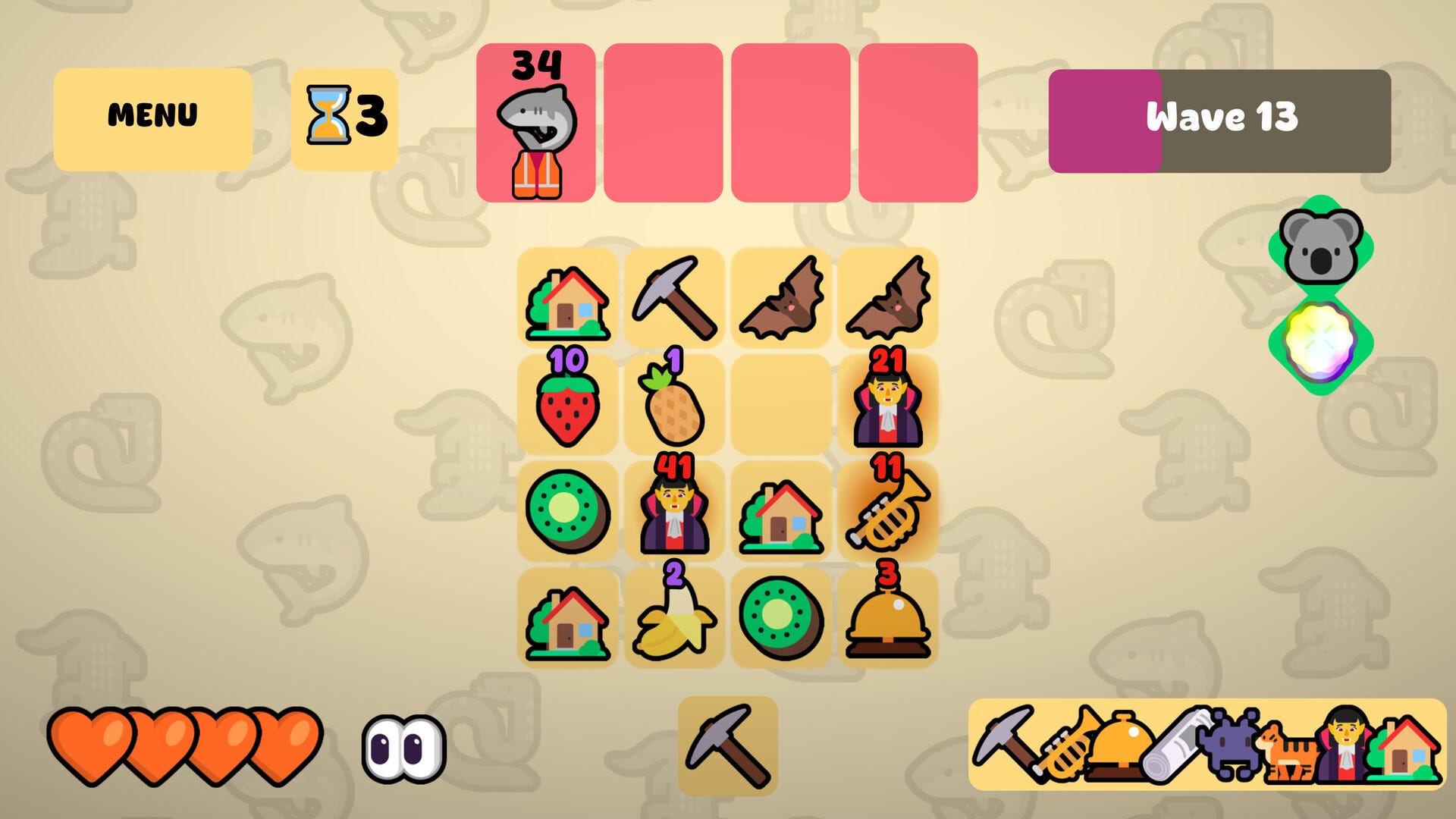
It’s cute and simple. The balance is a little bit off. So many of the sets seem like too much work for what they offer, some of the enemy designs nullify entire strategies (pufferfish), and some of the mechanics are a little bit unclear. But it is a pretty fun and simple game besides that. ★★★
Baby Steps
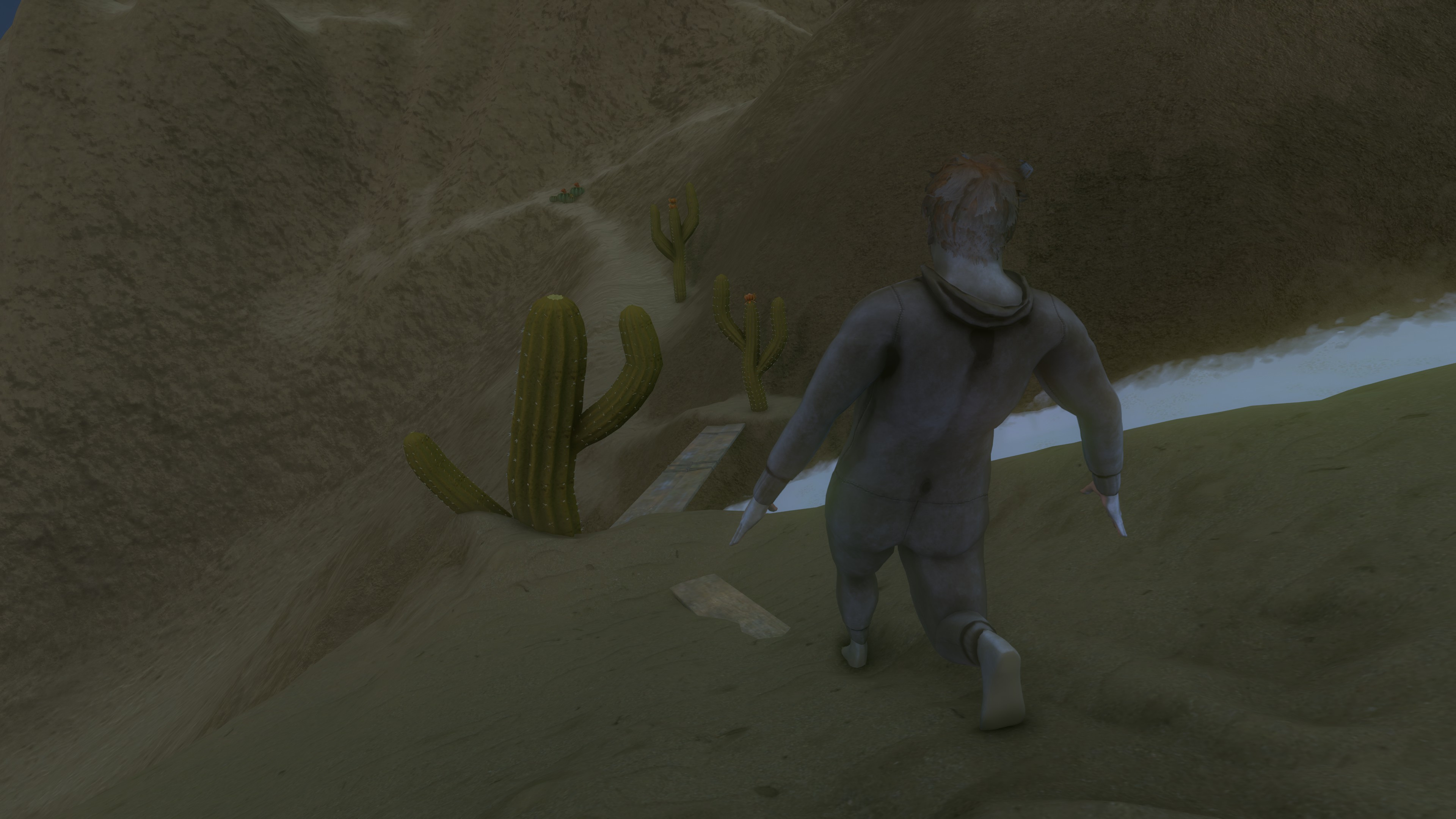
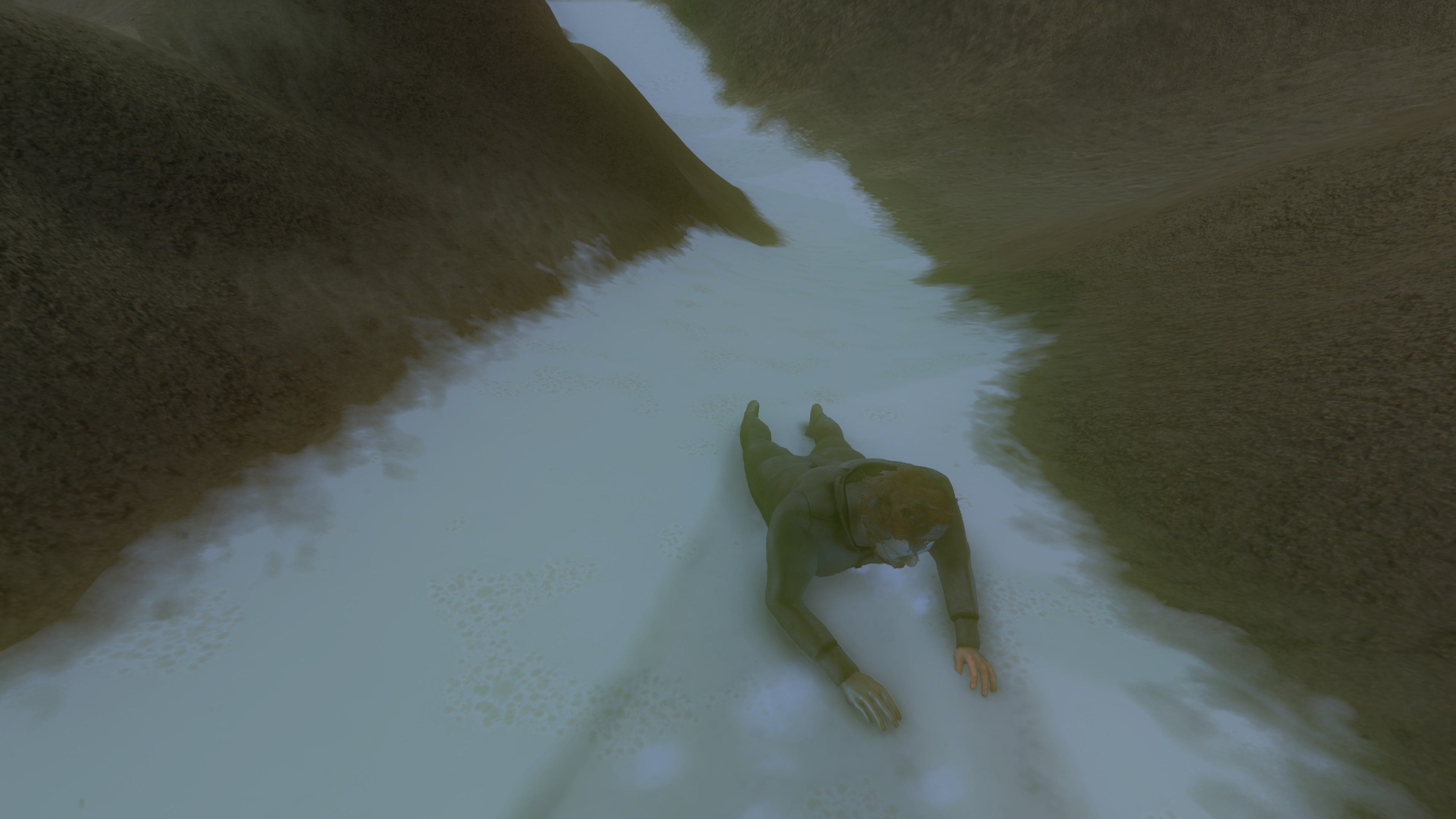
Baby Steps is fantastic. It sorta feels like the ultimate evolution of a Bennett Foddy game. A funny “joke” physics control scheme plus “getting over it” style challenges that like to reset you to the bottom of large climbs, but in a large 3D world and a scoped like a full game, and full of humor that hits pretty well. Baby Steps’s control scheme is much more comprehensible than his past stuff, Nate *basically* does what you want him to do (if its possible), so the fails always feel like its my own fault. The game is divided up into chapters that act as soft checkpoints where you won’t ever accidentally fall back down to a previous one, so while the game still has a lot of that Getting Over it DNA in it in parts, they’re confined to smaller segments and never feel unreasonable or unfair. The open(ish) world usually offers a few different paths upwards of various difficulty, so despite being marketed as a “streamer rage game” its actually foddy’s fairest game. I never finished Getting Over it but I finished Baby Steps. Legitimately great. ★★★★
Hollow Knight: Silksong
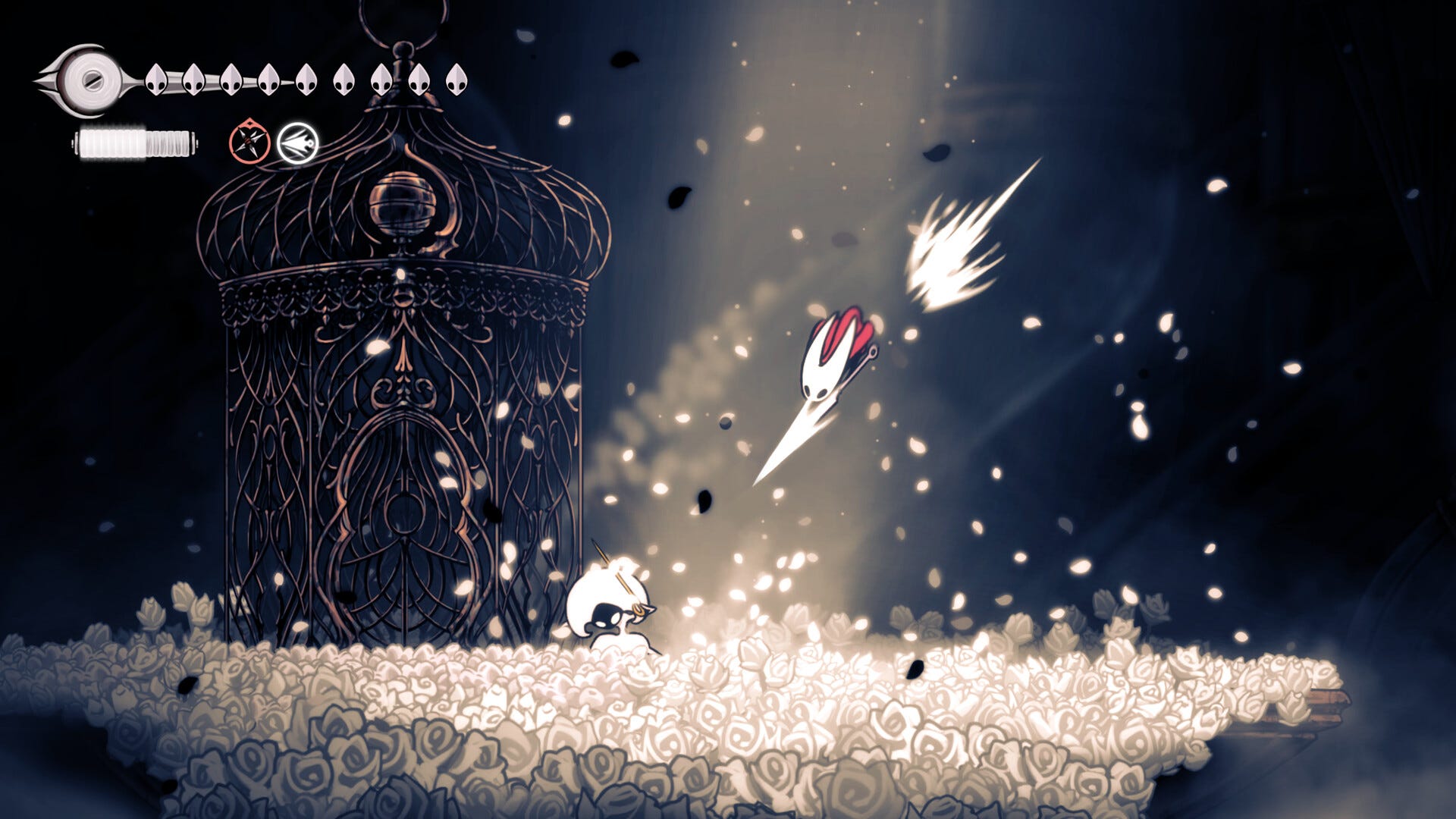
Its Hollow Knight, but more of it. The main improvement is the movement, while everything else is pretty much as expected. All of the bosses were good, none of them felt unfair, and the exploration was good as well. I was lost often, but never *enough* to need to check a guide. The game just sort of exuded quality. There were no bad parts. I mean, I got minor nitpicks of course, but this game is sort of the ideal metroidvania. It does everything I want out of a metroidvania and does it as good as can be done. It’s basically perfect. ★★★★
Hades II
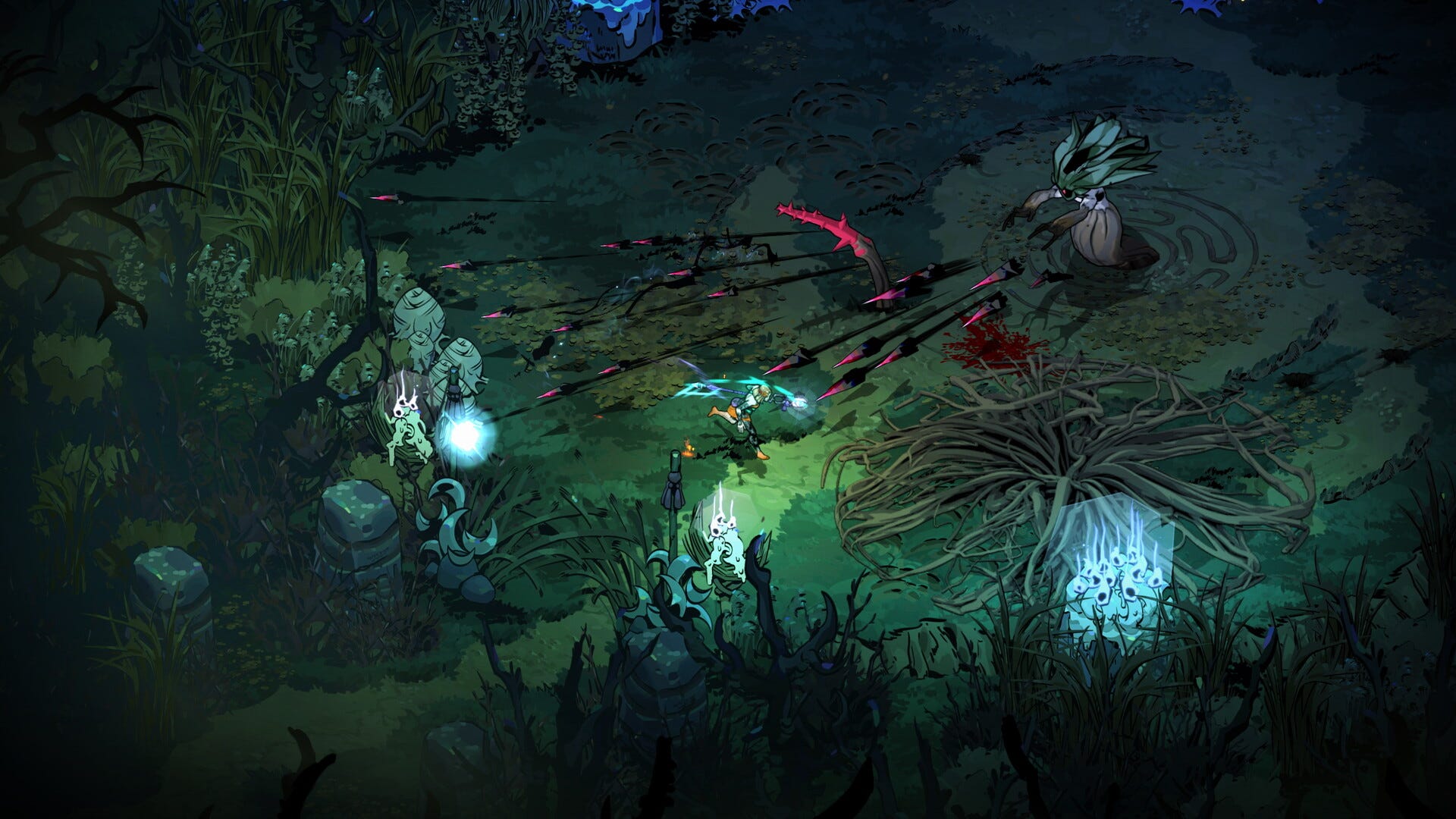
It’s “Hades Again”. Its Hades in all the same way the original was. I liked it enough to complete it, but the original Hades tended to get old very quickly after the main story was completed due to how easy it was to force builds and how streamlined and uniform most of the powerups were. Hades 2 is the same way, except because its so similar to the original it tends to wear out even earlier as I feel like so much of it is just retreading the same ground again. Most of the boons are just boring damage increases that all feel pretty similar. ★★★
As a side note, I tend to slap so many roguelikes these days with the “it gets old after you’ve done everything in them” criticism. Maybe that’s unfair, because it would be a pretty weird criticism to levy at another kind of game. “It took 30 hours to beat and then I didn’t want to keep playing”. But I think the thing is that, the roguelike structure *promises* infinite replayability and variety, and the best ones in the genre fulfill that promise. So I do feel like its a real issue if a roguelike can’t hold my attention past the point where it stops dangling carrots in front of my face. Feels like they rely too much on progression systems to keep you interested instead of making the core gameplay as engaging as it can be.
Metroid Prime 4
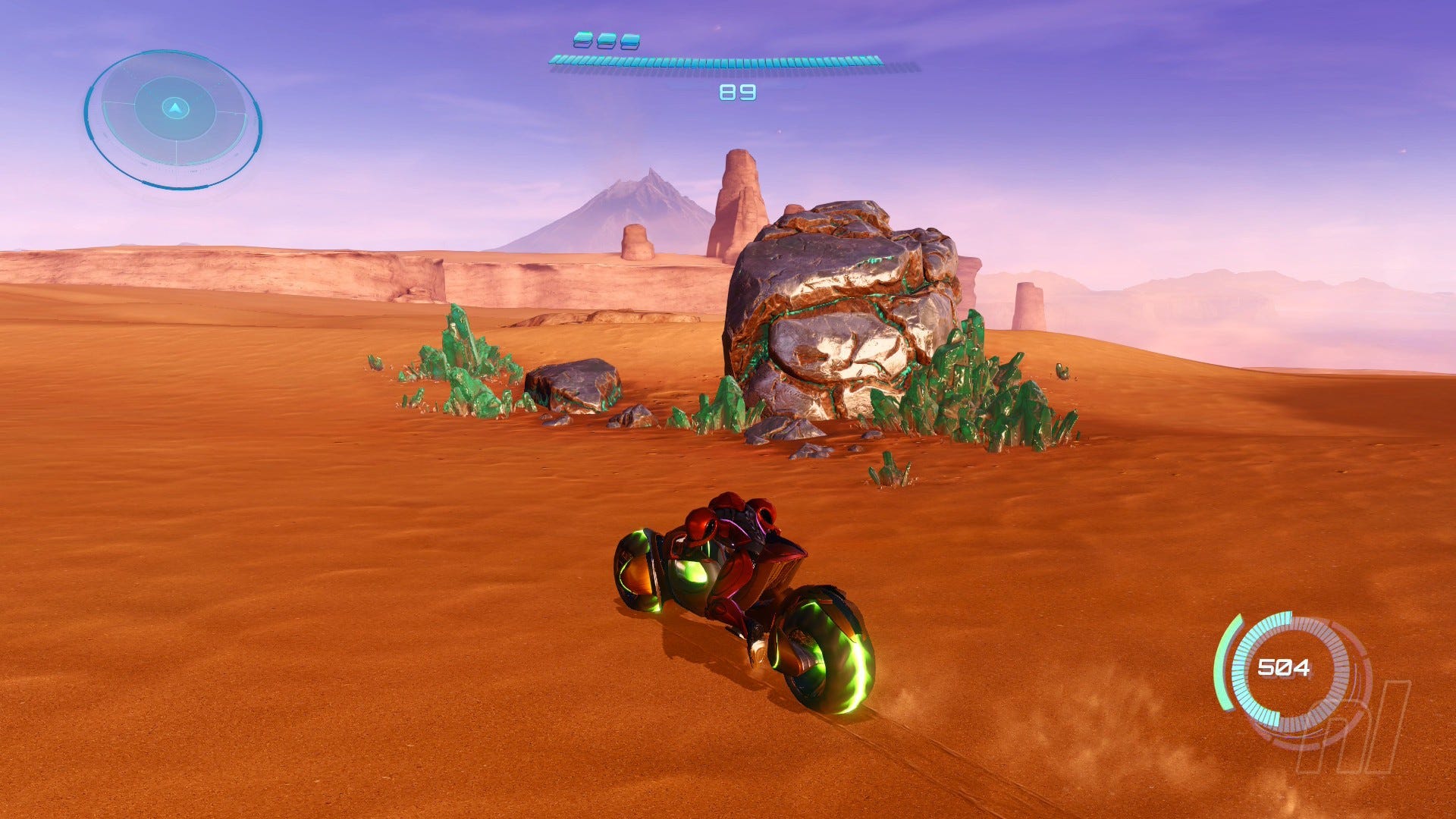
As I played through Metroid Prime 4 I just couldn’t help but feel like something went deeply wrong during dev. Yes, it restarted development in 2019. That still gave them nearly 6 years of dev time to finish it. And yet this game feels like an 18 month rush job. Few aspects of the game feel well thought out, most new features feel antithetical to what Metroid games are supposed to be and take away from what I like about them. There’s 5 total “dungeons” that do not connect to each other, and each one is just a linear path in to grab a powerup, beat a boss, and then leave. Subsequent visits for powerup collection rarely expose significant new map sections and are mostly just repeating the same hallways again except sometimes you can open box with a missile expansion that you couldn’t before. The NPCs are annoying in the worst way possible, constantly interrupting you to give you dialog that feels so stereotypical that it almost feels like a parody.
After getting the bike, Mackenzie phones you in to tell you “You can visit the remaining areas in any order you like”. Which is a complete and utter lie. I’m unsure why that line is in there. Is it a relic of an earlier build where you could actually do that? It doesn’t even matter much because 20 seconds later he phones in to tell you where you should be going anyway. The game does not want you to explore at all on your own ever.
There seems to be a common sentiment that the hints are bad and the desert is underbaked, but I’ve also seen a lot of people saying “if not for that the game would be great”. But I don’t think so. Almost every part of the game has fundamental problems. The level design is pretty bad, mostly linear tunnels with few branches or loops. Go in, fight boss, go out, with little actual exploration needed. It makes you repeatedly go back to base camp for upgrades, but the area its in is the same each time. There’s never any new paths to take now that you have new powerups, just an occasional missile crate to open, so the backtracking there is *actually pointless*.
There’s a lot more I could nitpick about this game but its biggest issues are fundamental. This is not what I want out a Metroid game, and not what I want out of a non-Metroid game either. A huge disappointment. ★
And that’s all of the games I played this year. Oh, but I haven’t mentioned which of them were Game of the Year for me yet.
GOTY for me, this year, goes to Blue Prince.
This is a weird pick because I only gave it ★★★, while plenty of other games this year I gave ★★★★. But let me explain! Despite my issues with the latter portion of the game, nothing else this year managed to stick in my brain quite the way Blue Prince did. For at least a month after starting the game, I couldn’t stop thinking about it. It’s weird, its new, its bold and risky. And even though it didn’t quite stick the landing, the parts of it that worked well worked so well that they outshined pretty much everything else from this year.
Silksong was also fantastic, a rare “perfect game”. You know that speedrunner joke where someone will say “this category is now dead” after getting a run so good that it feels like nobody will ever beat it? Well Silksong feels like that to me. (2D) Metroidvanias are now dead. Silksong pretty much nailed it and I’m not sure what anyone could possibly do to improve on the genre at this point. But it is, fundamentally, a “safe sequel”. Hollow Knight was already fantastic, so its not really a “big step” to go from that to Silksong. But it is impressive that they still managed to improve almost every aspect of it. I do think it is the “best” game I played this year.
But if you ask me to *recommend* ONE (and only one) game from this year to play, it has to be Blue Prince. Just because there really isn’t anything remotely similar to it out there. It is a wholly unique and very special game.